
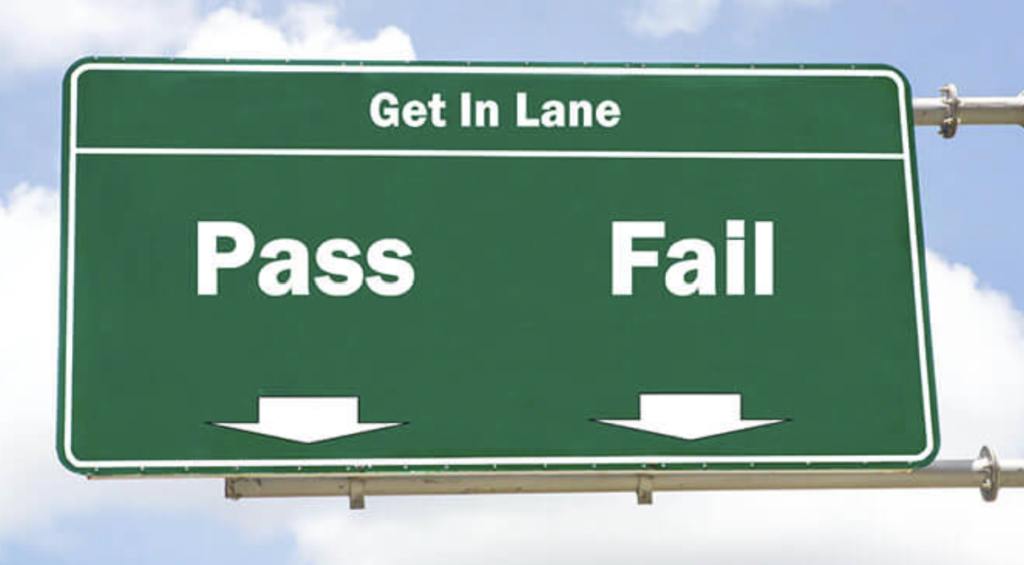
Passing your driving test is a huge milestone, but many learners are surprised at how easy it is to pick up serious faults during the test. Every year, thousands of candidates fail the practical driving test — often for the same avoidable mistakes. Understanding these common errors can dramatically improve your chances of passing first time.
If you’re preparing for your practical driving test Wigan or Chorley area or anywhere else in the UK, here are the top 10 reasons people fail their driving test and how you can avoid them.
1. Not Making Effective Observations at Junctions
One of the most common reasons learners fail is poor observation when approaching or emerging from junctions. Examiners want to see that you are properly checking both directions and only pulling out when it is safe.
Failing to look properly or hesitating too long can both result in faults. Always approach junctions slowly, check mirrors, and look clearly both ways before moving.
2. Incorrect Use of Mirrors
The mirror–signal–manoeuvre routine is essential. Many learners forget to check mirrors before changing speed or direction.
During the test, you must check mirrors when:
Slowing down
Turning
Changing lanes
Approaching hazards
Examiners want to see clear mirror checks, not quick glances.
3. Poor Steering Control
Jerky steering or crossing hands excessively can lead to faults. Smooth, controlled steering is a sign of a confident and competent driver.
Practising good steering techniques helps you maintain proper lane positioning and control during manoeuvres.
4. Lack of Control When Moving Off
Another frequent mistake is poor clutch control, especially when moving off on hills.
Rolling backwards, stalling repeatedly, or moving off unsafely can quickly lead to serious faults during the test.
5. Incorrect Positioning on the Road
Positioning mistakes often occur at:
Roundabouts
Turning right at junctions
Narrow roads
One-way streets
Being in the wrong lane or drifting too close to parked vehicles can cause faults. If you get into the wrong lane during the driving test you should continue in that lane, dont panic and go the wrong way, if this is done safely you will not get a driving fault for this on your driving test.
6. Not Responding Correctly to Traffic Lights
Many candidates fail by reacting too late to traffic lights or not planning ahead.
For example:
Accelerating towards a light that is about to change
Hesitating unnecessarily at green lights
Stopping too abruptly
Reading the road ahead is key.
7. Failing to Respond Properly to Road Signs
Road signs provide essential information for drivers. Missing speed limit signs, lane markings, or priority signs can lead to faults during the test.
Good drivers constantly scan the road for new signs and adapt their driving accordingly.
8. Poor Judgement at Roundabouts
Roundabouts can be intimidating for learners. Many candidates fail because they:
Enter when it isn’t safe
Hesitate too long
Choose the wrong lane
Fail to signal correctly
Practising different types of roundabouts before your test is extremely important.
9. Inadequate Observation During Manoeuvres
When performing manoeuvres such as:
Parallel parking
Pulling up on the right
Bay parking
you must constantly check mirrors and blind spots. The examiner is looking for all-around awareness while the car is moving.
10. Nerves Affecting Decision Making
Test nerves affect almost everyone. Unfortunately, anxiety can lead to rushed decisions, hesitation, or forgetting routines you normally perform well.
The best way to manage nerves is by practising in realistic test conditions and building confidence through structured lessons.
How to Improve Your Chances of Passing
The key to passing your driving test is practice, preparation, and understanding what examiners are looking for. Taking lessons with experienced driving instructors and practising regularly will help you avoid the common mistakes listed above.
A good driving instructor will ensure you are confident handling all road types, junctions, and manoeuvres before booking your practical test.
 Final Tip:
Don’t rush to book your test too early. Being fully prepared dramatically increases your chances of passing first time and becoming a safe, confident driver for life.